What Factors Affect Your Decision Making When Stuck on the Road?
How to size up the scene before you phone for help.
Read More →Guides · 4 min read
When you call a national hotline, your job joins a queue and gets auctioned to whoever bids lowest nearby. When you call a city-wide company, you talk to someone who can see your street on a map without zooming out. That difference is measured in minutes and money.
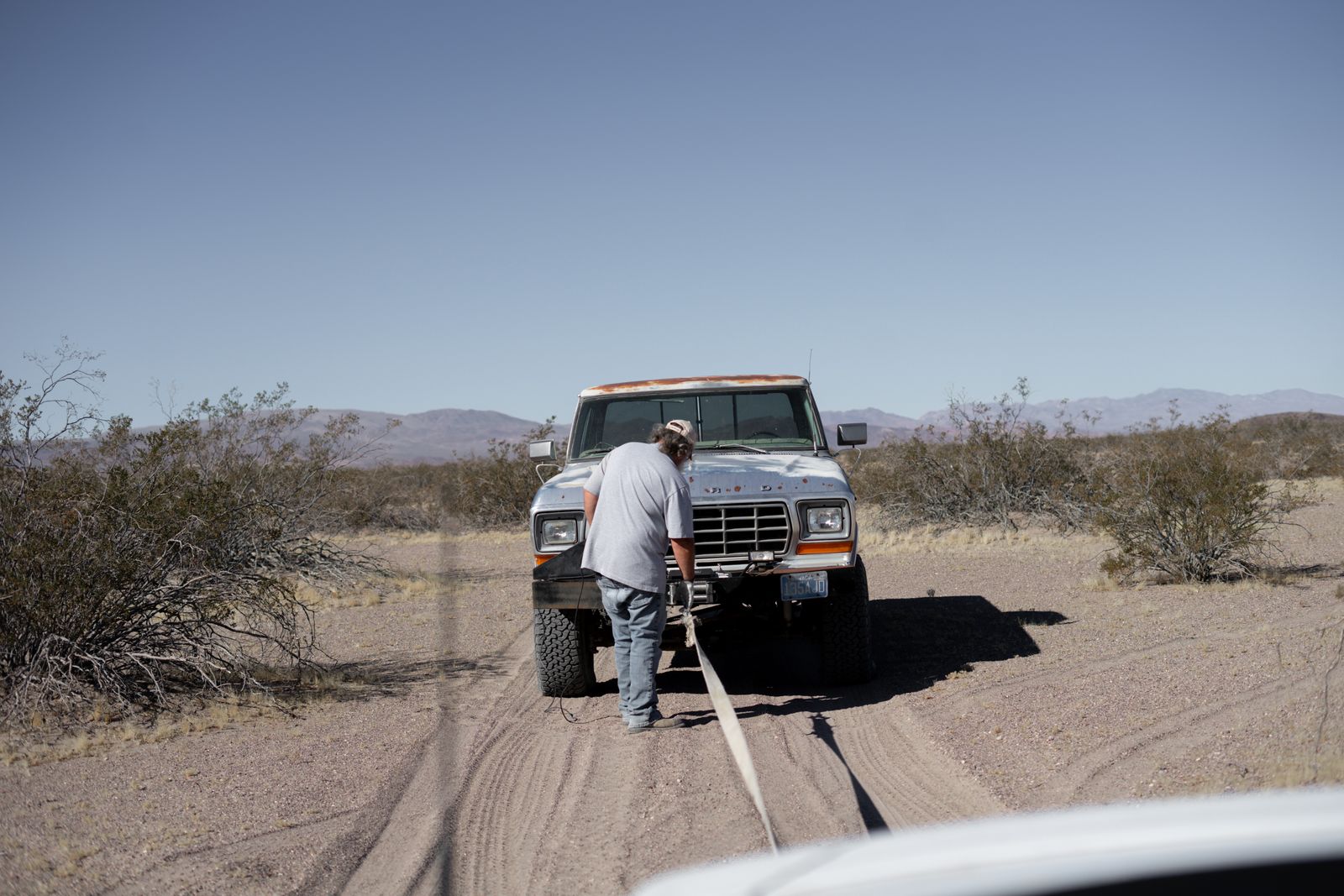
Local fleets stage trucks across their patch — near the causeway at rush hour, by the marina on regatta weekends. Our city average is 45 minutes because the truck usually starts within a few miles of you, not a county away. A national dispatcher cannot stage what it does not own.
Low bridges, weight-limited lanes, school zones at 3 p.m., the car park with the 6-foot clearance bar — local operators carry the city in their heads. That means the right truck first time: a flatbed that fits your alley, not a second visit with a smaller rig at your expense.
Ask any operator where the worst breakdown spot in town is. If they answer instantly with a story, you have found a local. If they pause, you have found a call centre.

A city company tows to the same dozen garages every week. Those shops take our drivers' calls, squeeze in our referrals and warranty our introductions — a quiet network effect that gets your car booked in days sooner.
Honestly? One case: manufacturer roadside plans bundled with a new car, where the maker pays. For everything else — and especially for prestige, classic and motorcycle moves — the company whose name is painted on the door of a building you can visit wins every time.
Keep Reading
 Advice
How to size up the scene before you phone for help.
Read More → Trends
Flatbed scheduling, insurance and timing on long hauls.
Read More →Your Local Fleet
Staged across Seabrook around the clock — the nearest one is closer than you think.
Contact Us