Everything You Need to Know About Long-Distance Towing Services
Flatbed scheduling, insurance and timing on long hauls.
Read More →Advice · 5 min read
Every breakdown asks the same four questions: Am I safe? Can the car move? Who do I call? What do they need to know? Twenty years of dispatch calls taught us that drivers who answer the first two calmly get rescued twice as fast.

Get off the carriageway if the car rolls at all — a hard shoulder, an exit, a car park. Hazards on, wheels turned away from traffic, everyone out on the safe side and behind the barrier where one exists. On a blind bend or a motorway with no shoulder, stay belted inside with hazards on and call emergency services first, then us.
A car that steers, brakes and holds air in three tyres can usually limp somewhere safer at walking pace. A car with a shredded sidewall, steam from the bonnet, warning lights in red or any impact damage should not move a metre — driving on turns a tyre job into a rim, hub and suspension job.
If a warning light is red, stop. If it is amber, you may drive gently to safety — then stop. That one rule saves more engines than any tool we carry.
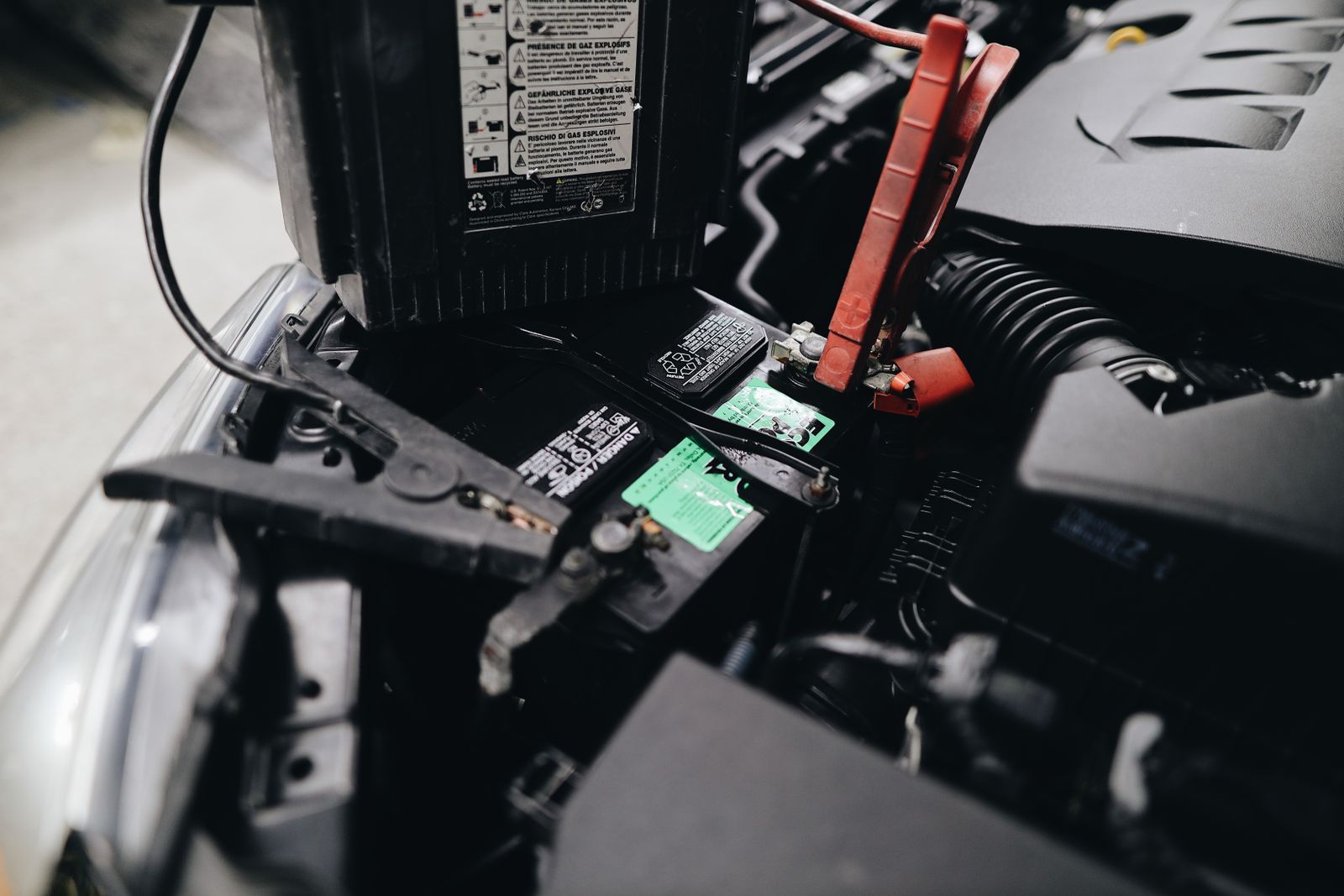
The five facts that get the right truck to you fastest:
Darkness and weather change everything: stay visible, stay in the car if the road is fast, and share your live location pin by text if the call keeps dropping. Our dispatchers will stay on the line with lone drivers until the truck's headlights appear — just ask.
Keep Reading
 Trends
Flatbed scheduling, insurance and timing on long hauls.
Read More → Tips & Trick
The glovebox checklist for a careful recovery.
Read More →Stuck Right Now?
Our dispatcher will walk you through the safety check and send the nearest truck.
Call (555) 010-0177